The term “inflammaging” describes the relationship between chronic, low-grade inflammation and the aging process.
Inflammation itself is not inherently harmful. It is an essential part of the immune response, helping the body react to infections, injuries, and other threats. Ideally, this response activates when needed and subsides once the threat has been addressed.
Problems can develop when inflammatory signaling remains elevated over time. This persistent state, known as chronic inflammation, may be influenced by metabolic dysfunction, chronic infections, environmental exposures, oxidative stress, poor sleep, excess visceral fat, and changes in the gut microbiome.
Researchers have associated inflammaging with cardiovascular disease, metabolic dysfunction, cognitive decline, frailty, and other age-related conditions. It may also interfere with the body’s ability to maintain and repair tissues effectively. [Nature Reviews Cardiology]
Can Inflammaging Be Addressed?
Inflammaging is not caused by a single factor, so reducing its impact typically requires a comprehensive approach.
Regular exercise, a nutrient-dense diet, adequate sleep, stress management, and the treatment of underlying medical conditions can all help support a healthier inflammatory response. Providers are also exploring advanced therapies that may complement these foundational strategies.
One such therapy is Extracorporeal Blood Oxygenation and Ozonation, commonly known as EBO2 or EBOO.
What Is EBO2?
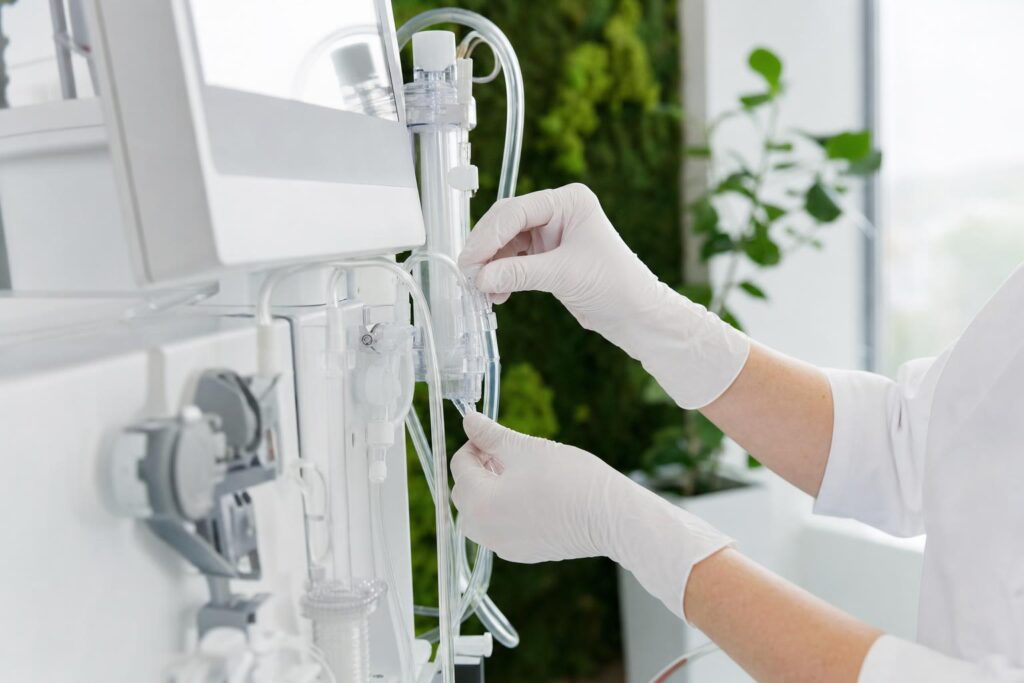
“Extracorporeal” means outside the body. During EBO2, a patient’s blood is circulated through a specialized extracorporeal system, exposed to a controlled oxygen-ozone mixture, and returned to the body.
Depending on the equipment and protocol used, the system may also incorporate filtration as part of the extracorporeal circuit. EBO2 should always be administered by properly trained medical professionals using physician-directed protocols, appropriate anticoagulation, and continuous monitoring.
How EBO2 May Help Address Inflammaging
EBO2 is being studied for its potential effects on oxidative balance, antioxidant defenses, circulation, and inflammatory signaling. These mechanisms may be particularly relevant to inflammaging.
Activating antioxidant defenses
Although ozone is an oxidant, controlled medical ozone exposure does not simply add uncontrolled oxidative stress to the body. Instead, it may create a brief, measured oxidative stimulus that activates adaptive antioxidant responses.
This process is sometimes described as oxidative preconditioning or hormesis. It may influence protective pathways such as Nrf2, which helps regulate the production of endogenous antioxidant enzymes.
These adaptive responses may improve the body’s ability to manage oxidative stress, one of the biological processes associated with inflammaging.
Supporting inflammatory balance
Medical ozone is being investigated for its potential immunomodulatory effects. Rather than broadly suppressing the immune system, controlled ozone exposure may influence signaling pathways involved in both inflammation and antioxidant protection.
This could help support a more balanced response in patients experiencing persistent inflammatory stress. However, the degree of benefit may vary, and additional clinical studies specific to EBO2 are still needed.
Supporting circulation and oxygen utilization
Healthy circulation is essential for delivering oxygen and nutrients to tissues while supporting the removal of metabolic byproducts.
By processing blood through an extracorporeal oxygen-ozone system, EBO2 may influence oxygen delivery, red blood cell function, and vascular signaling. These potential effects are relevant because impaired circulation and mitochondrial dysfunction can contribute to age-related decline.
Addressing factors circulating in the blood
Some EBO2 systems incorporate filtration intended to process components within the bloodstream during treatment. The exact substances affected depend on the filter, system design, and clinical protocol.
It is important not to describe all visible material collected during treatment as toxins, plaque, cholesterol, or inflammatory proteins without laboratory confirmation. However, the combination of extracorporeal blood processing, filtration, and controlled oxygen-ozone exposure provides a compelling platform for continued investigation.
EBO2 as Part of a Broader Longevity Strategy
EBO2 should not be positioned as a replacement for nutrition, movement, sleep, or appropriate medical care. Instead, providers may consider it within a comprehensive, physician-guided strategy designed to support healthier aging.
Potential candidates should be evaluated individually based on their medical history, health goals, medications, laboratory findings, and possible contraindications.
Clinicians may also monitor relevant biomarkers before and after treatment, such as:
- High-sensitivity C-reactive protein
- Fibrinogen
- Oxidative stress markers
- Lipid and metabolic markers
- Selected inflammatory cytokines
- Other biomarkers relevant to the patient’s condition
Objective testing can help providers evaluate patient response and contribute to a more evidence-driven understanding of EBO2.
Advancing the Science of Inflammaging
Inflammaging is a complex biological process involving the immune system, metabolism, mitochondria, vascular health, and cellular signaling. No single therapy can address every contributor.
However, EBO2’s potential effects on oxidative signaling, antioxidant defenses, circulation, and inflammatory balance make it an exciting area of study within longevity and regenerative medicine.
At PURXCELL, we are committed to helping qualified clinics adopt EBO2 through advanced technology, comprehensive education, and a focus on responsible clinical implementation. As research continues, better biomarker tracking and well-designed clinical studies will help clarify how EBO2 may support patients facing chronic inflammatory stress and age-related decline.
This article is intended for professional education. EBO2 is not established as a treatment for aging or any specific disease, and individual outcomes may vary.